Government Job Interview Tips for South African Applicants
Practical interview advice for South African applicants preparing for government and public sector roles.
Prepare for the role, not just the interview
Good interview preparation starts before you think about common questions. Read the advert again and pay attention to the actual work: the service area, the kind of records involved, the public interaction, the reporting lines or the compliance duties. The better you understand the role, the less likely you are to sound generic in the interview.
Panels often respond better to candidates who connect their answers to the real job in front of them. That feels more convincing than a memorised speech about strengths and weaknesses.
Use examples from your real experience
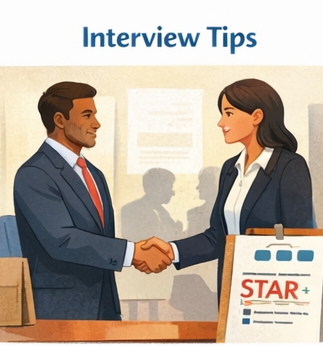
Statements like I work well under pressure or I am a good communicator sound safe, but they are too broad on their own. A stronger answer uses a short example. Describe the situation, what you were responsible for, what action you took and what result followed. You do not need a perfect story. You need a believable one.
If you are early in your career, use examples from internships, volunteering, campus leadership, customer-facing work or projects where you had clear responsibilities. Interviewers are usually more interested in how you think and how you work than in whether your example came from a high-ranking title.
Know your application well
Panels may ask about what you wrote in your CV, your application form or your supporting documents. If you cannot explain your own experience clearly, it creates doubt. Read your CV before the interview and think about the points that matter most for the role. Be ready to explain not just what you did, but how well you did it and what you learned from it.
Present yourself professionally without overperforming
You do not need to sound like a motivational speaker. Calm, direct answers usually land better than over-rehearsed ones. Listen carefully, answer the question asked and then stop. Some candidates hurt themselves by speaking for too long and drifting away from the point.
Professional presentation also includes timekeeping, dress, politeness and basic readiness. Know the venue or online link, keep copies of key documents nearby, and arrive with enough time to settle yourself. A rushed start is hard to recover from.
Questions to prepare for
- Why do you want this specific post?
- Which parts of your experience match the job requirements best?
- Tell us about a time you handled pressure, conflict or deadlines.
- How do you organise your work and maintain accuracy?
- What would good service look like in this role?
You do not need scripted answers for each one. You need clear thinking, relevant examples and a steady delivery.
Keep reading
Good applications improve step by step. Use the guides below to tighten the next part of your process.